
A healthy diet is one of the most important foundations of a healthy life. The food we eat affects not only our physical growth but also our mental well-being, energy levels, immunity, and ability to concentrate. Especially during the growing years, eating a balanced and nutritious diet helps the body develop properly and prevents many health problems. A healthy diet does not mean eating less or avoiding all favorite foods; instead, it means eating the right kinds of food in the right amounts.
What Is a Healthy Diet?
A healthy diet is one that provides all the essential nutrients the body needs to function properly. These nutrients include carbohydrates, proteins, fats, vitamins, minerals, fiber, and water. Each of these plays a unique role in maintaining good health. A balanced diet includes a variety of foods from all major food groups, such as fruits, vegetables, grains, protein sources, and dairy or dairy alternatives.
Eating a wide variety of foods is important because no single food can provide all the nutrients the body needs. A healthy diet focuses on natural, whole foods rather than heavily processed or sugary items. It also emphasizes moderation, meaning that even less healthy foods can be eaten occasionally without harming overall health.
Importance of Carbohydrates, Proteins, and Fats
Carbohydrates are the main source of energy for the body. Foods such as rice, bread, potatoes, oats, and fruits provide carbohydrates that fuel daily activities and brain function. Whole grains are especially beneficial because they contain fiber, which helps digestion and keeps us full for longer.
Proteins are essential for growth, repair, and maintenance of body tissues. They help build muscles, skin, hair, and organs. Protein-rich foods include pulses, beans, lentils, eggs, milk, yogurt, nuts, seeds, fish, and lean meats. For growing children and teenagers, protein is particularly important because it supports physical development.
Fats are often misunderstood, but they are a vital part of a healthy diet. Healthy fats help protect organs, keep the skin healthy, and support brain development. Sources of healthy fats include nuts, seeds, avocados, olive oil, and fish. However, unhealthy fats found in fried foods, fast food, and packaged snacks should be limited because they can increase the risk of health problems.
Role of Vitamins and Minerals
Vitamins and minerals are needed in small amounts, but they are essential for overall health. Vitamins help strengthen the immune system, improve eyesight, support bone health, and aid in healing. Minerals such as calcium, iron, and zinc are important for strong bones, healthy blood, and proper body functions.
Fruits and vegetables are rich sources of vitamins and minerals. Green leafy vegetables provide iron and calcium, citrus fruits supply vitamin C, and carrots contain vitamin A, which is good for eyesight. Eating colorful fruits and vegetables ensures that the body gets a wide range of nutrients.
Importance of Fiber and Water
Fiber is an important part of a healthy diet because it supports digestion and prevents constipation. It also helps control blood sugar levels and reduces the risk of certain diseases. Foods high in fiber include whole grains, fruits, vegetables, beans, and legumes.
Water is equally important for maintaining good health. It helps regulate body temperature, transport nutrients, remove waste, and keep the body hydrated. Drinking enough water throughout the day improves concentration, digestion, and overall energy levels. Sugary drinks should be avoided, and water should be the main source of hydration.
Benefits of a Healthy Diet
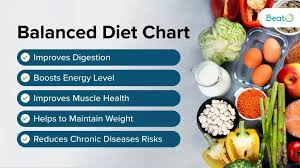
Eating a healthy diet has many benefits. It helps maintain a healthy body weight and reduces the risk of obesity. A balanced diet strengthens the immune system, making the body more resistant to infections and illnesses. It also improves brain function, memory, and concentration, which is especially important for students.
A healthy diet supports emotional well-being as well. Nutritious foods help stabilize mood and reduce stress. People who eat well often feel more energetic and confident. In the long term, healthy eating reduces the risk of chronic diseases such as diabetes, heart disease, and high blood pressure.
Unhealthy Eating Habits and Their Effects
Unhealthy eating habits, such as consuming too much junk food, sugary drinks, and fast food, can negatively affect health. These foods are often high in sugar, salt, and unhealthy fats but low in essential nutrients. Regular consumption of such foods can lead to weight gain, poor digestion, weak immunity, and low energy levels.
Skipping meals, especially breakfast, is another unhealthy habit. Breakfast provides energy for the day and helps improve focus and performance at school. Eating irregularly or overeating can also disturb the body’s natural balance and lead to health problems.
Developing Healthy Eating Habits
Developing healthy eating habits from a young age is essential for long-term well-being. Eating meals at regular times, choosing home-cooked food, and including fruits and vegetables in daily meals are simple steps toward better health. Planning meals and snacks in advance helps avoid unhealthy food choices.
Family support and education play an important role in building healthy habits. When families eat nutritious meals together, children are more likely to develop positive attitudes toward healthy food. Schools can also promote healthy eating by providing nutrition education and encouraging balanced meals.
Conclusion
In conclusion, a healthy diet is essential for physical growth, mental development, and overall well-being. It provides the body with the energy and nutrients needed to perform daily activities, fight diseases, and stay active and focused. By eating a balanced diet that includes a variety of nutritious foods, drinking enough water, and limiting unhealthy foods, individuals can lead healthier and happier lives. Developing healthy eating habits early in life creates a strong foundation for a bright and healthy future.